.svg)

.webp)
One of our clients used to be the kind of person who could out-hustle anything. She was never stressed, slept through the moon but then, around her 50s, it quietly stopped.
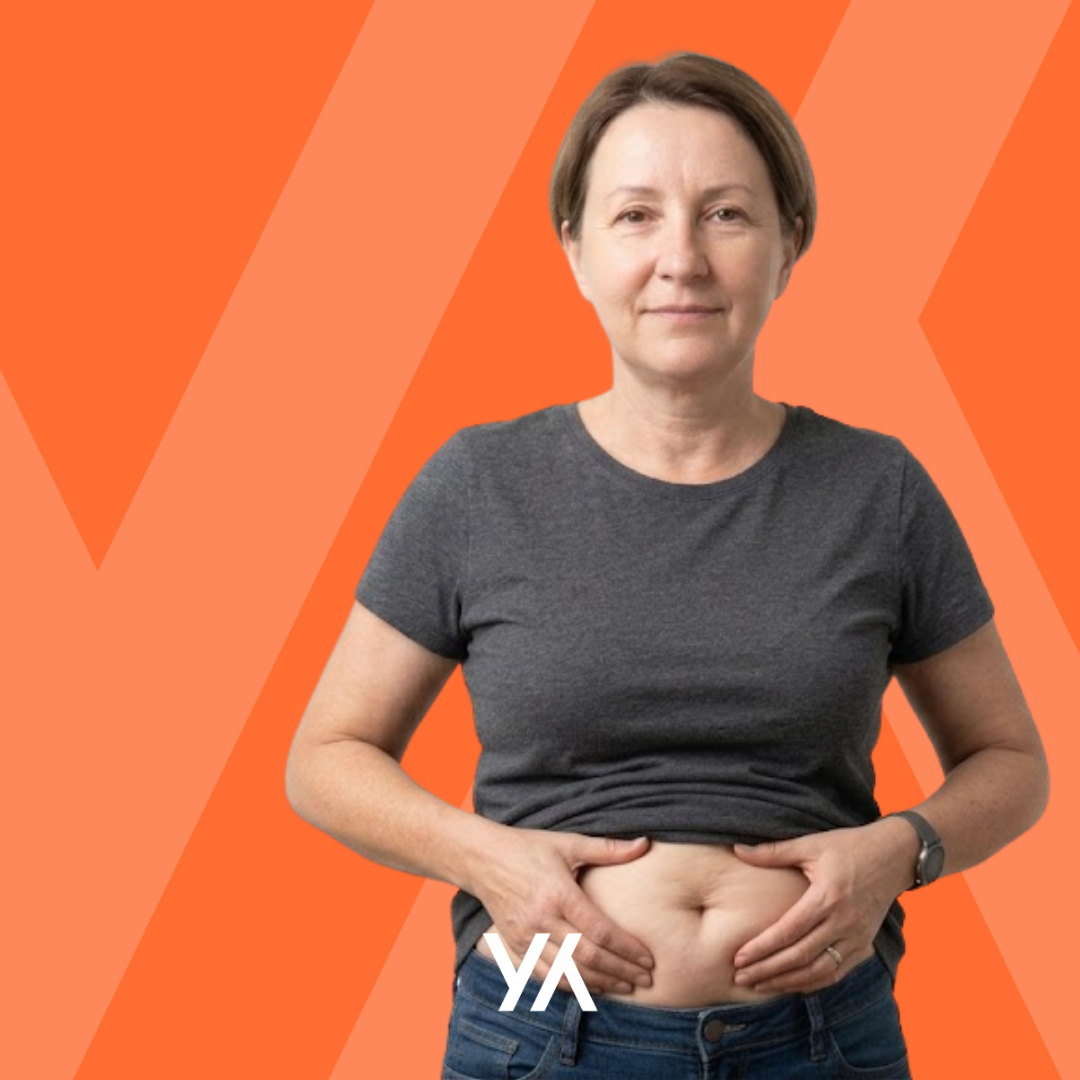
She was doing the exact same things she was before it happened, however, her jeans started to tighten around the middle, she was more tired than she used to be and no matter how many extra sessions she added, her weight was constantly increasing.
When going to the doctors she finally understood that this could be a hormonal imbalance. This hormone is cortisol.

What Cortisol does
Cortisol is your body’s main stress regulator. It’s released by your adrenal glands to give you a quick hit of energy when your brain senses a threat, but, if elevated for too long, can give you some problems.
According to the Cleveland Clinic, when released under stress, cortisol raises blood sugar and increases fat storage especially around the belly. That combination is why chronic stress can quietly undo your healthy routine.
Why Menopause increases the problems
It is during perimenopause and menopause that your body starts to lose some of its ability to regulate cortisol. Estrogen and progesterone normally help buffer the stress response and while these hormones decline, cortisol has more room to run high. Cleveland Clinic lists stress and the rise of cortisol as one of the key lifestyle factors behind weight gain during menopause. This creates an interesting, yet frustrating loop: menopause symptoms are themselves stressful, which raises the cortisol further, which, consequently, can intensify the symptoms causing the stress in the first place
The Exercise Mistake Many Women Make
Dr. Sara Gottfried, a Harvard-trained gynecologist points out that exercising in general raises cortisol and that’s normal and even healthy. The problem is created when there’s intensity and volume without recovery. Constant over-training is what keeps cortisol chronically elevated and starts to work around the body as well. Her study found that marathon runners and people who do amounts of steady-state cardio tend to run high cortisol levels. She recommends balancing routines toward roughly one-third cardio and two-thirds resistance training for hormonal health in this life stage, which means that going hard isn’t always going better.
What Actually Helps?
- Prioritize strength training. Building and maintaining muscle helps offset the muscle loss that comes with the decline of estrogen, while not spiking cortisol.
- Keep intensity purposeful and not constant. Do short, well-placed bursts of intensity. What matters is having a great recovery between sessions.
- Protect your sleep. Poor sleep and high cortisol feed each other. Consistent, quality rest is as much a part of weight management as any workout.
- Build in genuine recovery practices. Breathwork, walking, yoga, or simply slowing down all help bring cortisol back into a healthy range.
- Watch the mindset, not just the movement.Training out of self-criticism or punishment tends to raise stress hormones just as much as overtraining does.
.png)
Where Papayya Fits into the Picture
A generic one-size-fits-all class doesn’t know whether your body needs a harder push today or an easier one. A trainer who works with you live, session by session, can read that in real time, adjusting intensity, correcting form, and pacing your recovery based on how you’re actually doing that week.
That kind of responsive, personalized guidance is the whole idea behind Papayya’s live one-on-one training, because it’s built around your actual body and your actual mood, instead of a rigid script. For women going through menopause, that distinction can be the difference between exercise that helps and exercise that quietly adds to the stress load.
The Bottom Line
Menopause weight gain isn’t a sign that you’re doing something wrong with your body. It’s a hormonal shift with cortisol being a bigger part of that story than most people realize.
Understanding how stress, sleep and exercise intensity interact with your changing hormones is the first step towards working with your body again.
Sources
Cleveland Clinic — Unexplained Weight Gain & Causes of Rapid Weight Gain
Dr. Sara Gottfried, MD — The Cortisol Switch: How Cortisol Makes You Fat and Angry
Dr. Sara Gottfried, MD, interview — How to Optimize Female Hormone Health for Vitality & Longevity, Huberman Lab
Johns Hopkins Medicine — Menopause and Weight Gain
Mayo Clinic — The Reality of Menopause Weight Gain

 FACEBOOK


