.svg)

.png)
.webp)
During the 20th century, medicine has looked at how we can make someone live, and we actually got good at it. Now, we have vaccines, antibiotics and modern surgery that added decades to the average lifespan. But, during these years, we started to add a newer layer to the problem: What do those extra years actually feel like?
This is the gap between lifespan and healthspan, and it’s the central obsession of two of the most influential voices in modern science: D. Petter Atiia and Dr. Gabrielle Lyon.

The Problem with Chasing Only Lifespan
Dr. Peter Attia argues that modern medicine is effective at delaying death from heart disease, cancer, neurodegenerative disease and diabetes, however, when it comes to preserving physical capacity, we still have a long way to go.
Dr. Attia’s “Centenaria Decathlon” solution is simple: look ahead. Rather than training generically, Attia suggests picturing the specific physical tasks we want to be able to do by the time we’re 100.
Central to this is the idea of marginal decade, which means that the last decade of a person’s life is typically characterized by a decline in physical and cognitive health and a potential withdrawal from active participation in life. According to Attia, this decline is largely accumulated by decades of poor longevity preparation.
To fight it, the framework is built on four pillars: stability, strength, aerobic performance and anaerobic output.
Skeletal Muscle: The organ everyone ignores
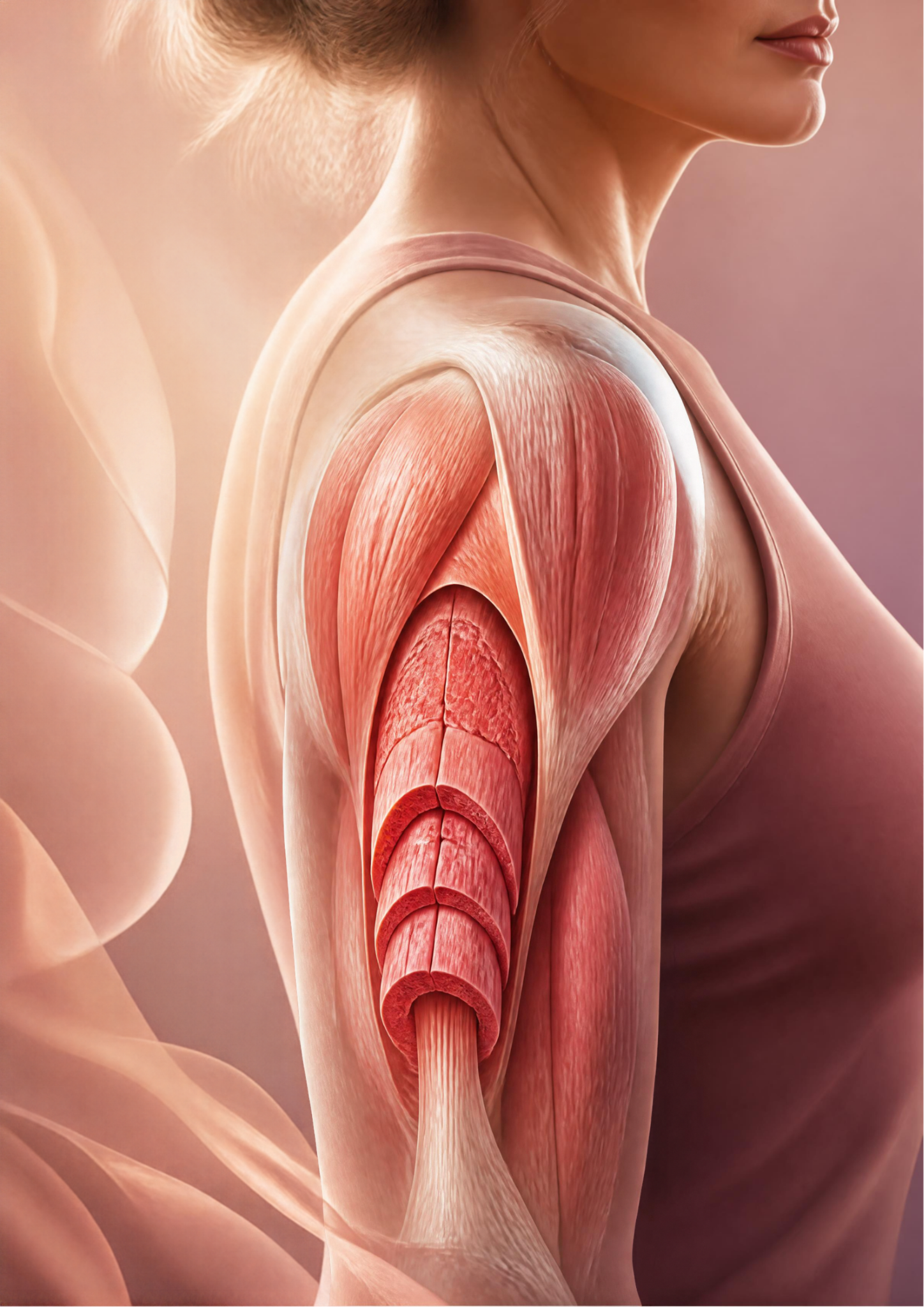
Dr. Gabrielle Lyon gives us the biological explanation. While reviewing brain scans of a patient in her mid-50s, she noticed signs of early Alzheimer’s due to her being under-muscled. That insight was the proof needed to get to the conclusion that skeletal muscle is the body’s largest endocrine organ and, according to Dr. Lyon, it should be treated as the organ of longevity itself.
More muscle mass is directly linked to fewer falls, greater mobility and faster recovery.
In fact, Dr. Lyons has proposed a third term to sit beside healthspan and lifespan, which is muscle span.
Her prescription is very unglamorous: consistent resistance training and adequate diet applied over the years. The goal is to maximize healthspan.
Do I need to Change the Way I train?
Well, according to Drs. Attia and Lyon, training for longevity has a specific image:
- First, you need to start planning your training by thinking about what you want to be capable of doing in 20, 40 or 60 years from now.
- Then, stop viewing strength training as purely aesthetic and start to see it as medicine. It is important to your metabolic health, fall prevention and cognitive resilience
- Balance stability, strength, zone 2 Cardio and VO2 max. Each protects a different part of your future resilience.
- Don’t ever forget that consistency beats intensity every time.
.png)
Where can Papayya make a difference?
Consistency is exactly what we chase at Papayya. Although we care a lot about your short-term objectives, our real intention is to make sure you build a routine that helps you stay consistent and healthier for longer. We care about the version of you that wants to carry groceries, get up without any pain and deal happily with your kids and grandkids.
This means that we lean into the same fundamentals as Dr. Peter Attia and Dr. Gabrielle Lyon: building real strength, protecting mobility and stability and thinking about training as a long-term investment. Whatever tools you use to get there, the philosophy stands the same: train for the life you want to be living and the rest tends to follow.
Final Consideration
Lifespan tells you how many years you get and healthspan determines what you get to do with them. Build your fitness goals so you can still be able to travel, play and move freely on your own terms, decades from now.

 FACEBOOK


