.svg)

.png)
.webp)
Did you already start to notice that jars become harder to open, stairs feel steeper or your grip strength is not what it used to be? Well, you’re not imagining things. From the age of 30, the human body begins to lose roughly 3 to 5% of muscle mass per decade, according to the National Institutes of Health (NIH). If not being cared for, this decline can progress gradually into a condition called Sarcopenia, one of the most underrated threats to independence as we age.
The good news is that sarcopenia is totally reversible and evitable with some time spent on resistance training.
%20(1).png)
What is Sarcopenia
Sarcopenia is a progressive loss of skeletal muscle mass, strength and function. According to Dr. Rosaly Correa-de-Araujo, from the NIH, muscle loss during aging can accumulate to the point where it limits everyday activities. This is the point where we start to observe sarcopenia. It can affect your ability to climb stories, carry groceries or even maintain balance, however, its consequences extend well beyond mobility. This condition is closely tied to slower metabolism, poorer glucose regulation and, consequently, weaker bones.
Muscle-Bone Connection
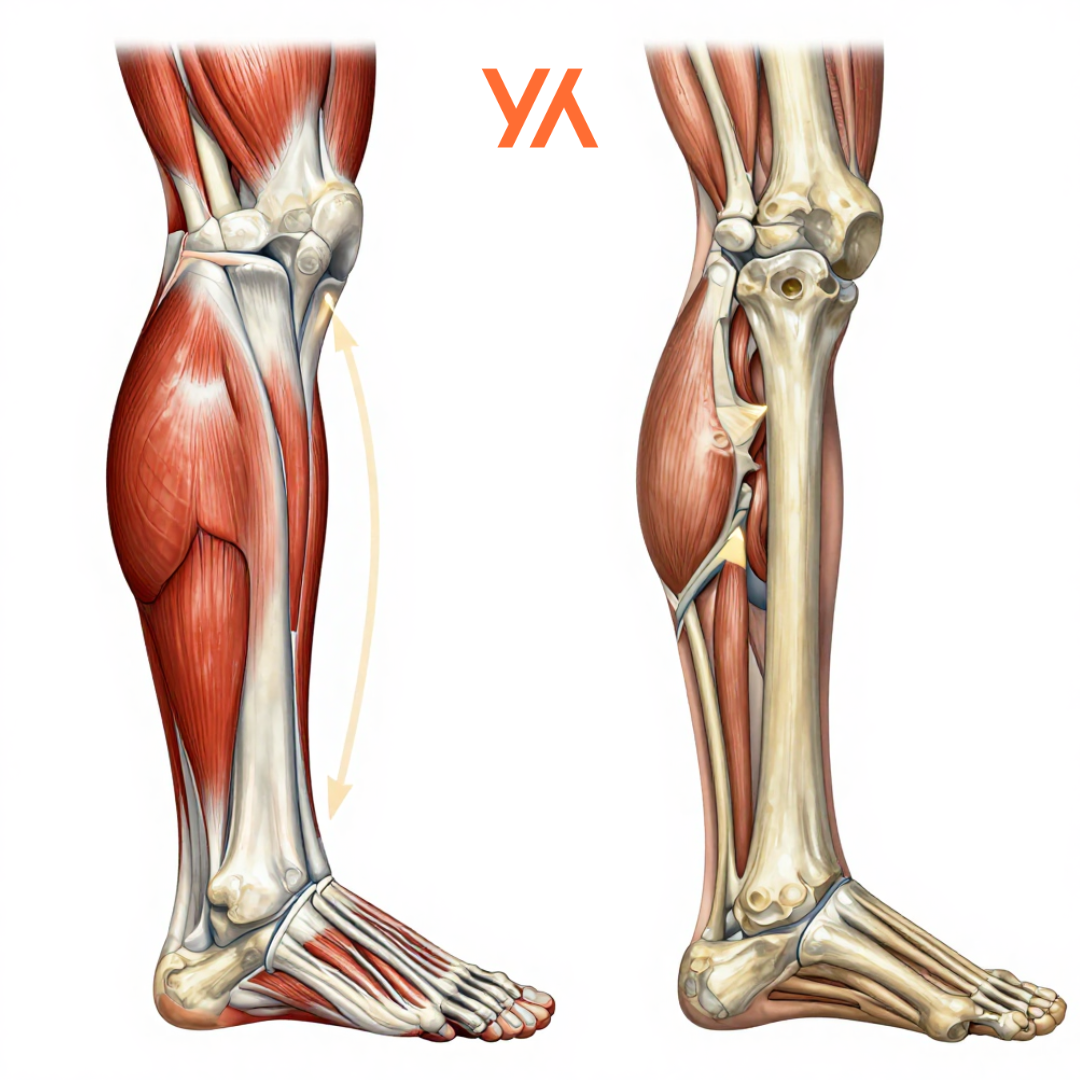
Muscle and bone are mechanically, chemically and metabolically linked. When muscles contract, they place mechanical load on the skeleton, which stimulates bone formation and slows its breakdown, which means that strong muscles help build and preserve strong bones.
This symbiosis is so significant that researchers started using the term “osteosarcopenia” to describe the combined loss of muscle and bone structure that occurs in older adults. According to the IOF, this dual decline raises the risks of falls, fractures, loss of independence and even mortality.
Resistance Training is the Closest Thing to a “Cure”
There is no actual cure for Sarcopenia. What the evidence shows across dozens of clinical trials, is that resistance training is the single most effective tool we have.
Here are some considerations about it:
- Resistance training rebuilds what aging takes away - Scheduling 2-3 resistance workouts per week has been shown to meaningfully improve muscle strength, physical function and lean mass in older adults.
- Works even for those already diagnosed - A brief analysis of randomized controlled trials in elderly patients shows that resistance programs significantly improved grip strength, walking speed and muscle quality.
- It also protects your bones - IOF highlights that resistance exercise stimulates muscle protein synthesis and rebuilds strength and performance in older adults, while simultaneously supporting the bone-remodeling process.
Resistance training is not like cardio alone as it creates mechanical tension and metabolic stress in order to trigger muscle protein synthesis.
Time to eat lots of Protein
NIH also recommends that adults that aim to prevent or manage sarcopenia should consume around 1.2g per 2 pounds of body weight daily and vitamin D to help decrease muscle wasting and, by extension, lower fall and fracture risk.
👉 Try our FREE 14-day trial right now!
.png)
Form and Consistency are the Real Deciding Factors
This is one of the most important chapters because resistance training is only effective when done correctly and consistently over time. Poor form can increase injury risk, especially in adults who may already have joint sensitivity or reduce balance. Due to the fact that Sarcopenia develops with the accumulation of stress, the training that reverses it should be structured and consistent.
Having someone who can assess your current strength and mobility (as Papayya does) is what separates you from just doing exercises to actually building measurable strength over the years.
It is also important to make you show up, as accountability and a trusted and certified coach can be the difference between doing it or not.
In Conclusion
Sarcopenia is a common problem but science is sovereign: progressive training, done properly and consistently, combined with an adequate diet is the most powerful tool available for preserving muscle mass, strength and bone health as we age. The earlier you start (and you better start as soon as possible) the more function and independence you preserve for the decades to come.

 FACEBOOK


