.svg)

.png)
.webp)
As we get older, it is common for us to feel that peak strength and mobility are behind us. However, the truth is, after 50, 60 and beyond, there is no reason for our strength, flexibility, and confidence to decrease. It is a persistent myth that fitness is a young person's game. Research shows the opposite. A 2021 study published in the Journal of Clinical Medicine has shown that older adults who took part in guided fitness sessions greatly improved their balance and reduced their risk of falls significantly.
If you're thinking to yourself, "Is it too late for me to start?", then absolutely not! The only thing that may be overwhelming is the idea of beginning a fitness journey as an older adult. You may have concerns about injury, not knowing which exercises might be safe for you, or lacking motivation to start. This is precisely what a guide like this will provide. A personal trainer who is specifically qualified to work with older adults is the safest and most effective method by which to recapture the vitality and strength of your younger years. In this guide, you'll find all the great things about personal training for older adults, what to look for in a trainer, and how you can begin training safely and with confidence in your own living room.
%20(1).png)
Why work with a personal trainer as an older adult?
A personal trainer is not just a rep-counter, though that may be the first thing that comes to mind. He is an educator, a motivator, and your partner in the ownership of your health. The personal trainer for older adults really offers a one-on-one approach that is transformative. A personal trainer addresses the immediate physical and emotional obstacles placed in the way of older adults.
What are the benefits of personal training for those older than 55 physically?
The scientific basis for the exercise choices offered by a personal trainer will benefit the physical health of older adults greatly. The personal trainer ensures that you are doing the right exercises in the right way to benefit from the exercises without danger to your well-being.
Significant Physical Benefits:
- Helps Prevent Sarcopenia (Muscle Loss) - After the age of 30, you are naturally going to start losing muscle mass. Trainers design progressive strength training programs that rebuild and maintain this vital muscle mass that is necessary for functional strength and metabolism.
- Increases Bone Density - Weight-bearing and resistance exercise place certain, necessary stresses and strains on bones, signaling the body to increase bone density. This is a critical part of the defense against osteoporosis and fractures.
- Improves Balance and Coordination - Trainers include specific drills that build balance and proprioception (awareness of the body in space). This reduces the risk of falls.
- Increases the Mobility of the Joints and Reduces Pain - A good trainer is going to have you take the joints through their full and safe range of motion. This improves the lubrication of joints, reducing the stiffness of arthritic joints.
- Improves Cardiovascular Health - A trainer is going to elevate your heart rate safely, producing a healthier heart, lower blood pressure, and improved stamina in general.
What are the emotional and mental benefits of working out with a trainer?
The mind/body connection is a powerful thing. The commitment to physical health, combined with a guide, produces powerful effects on your mental and emotional well-being.
Research shows that consistent, guided exercise diminishes symptoms of anxiety and depression. The simple act of mastering a new movement or lifting a slightly heavier weight develops tremendous self-esteem, which translates into all areas of life. In addition, learning new patterns of movement stimulates the brain, leads to greater neuroplasticity, and keeps the mind acutely alive. The consistency and human connection of a training session provide another vital source of routine and human contact.
How does working with a personal trainer mitigate injuries in the older adult population?
This, perhaps, is the most critical of benefits. A personal trainer is your safety net. It is his/her job to keep you from injuring yourself by:
- Correcting Form: He/she watches every rep to ensure safe movements and protects backs, knees, and shoulders.
- Building Stabilizer Muscles: He/she knows how to strengthen the small supportive muscles around your major joints, so you have a stable and resilient body.
- Managing Load: A trainer knows exactly when to push and when to pull you back, so the “too much, too soon” injuries common in others who start alone are avoided.
Ready to start realizing these benefits? Papayya’s certified trainers specialize in developing safe, effective, and motivational programs specifically for older adults. You can experience your first session free!
What Makes Papayya Perfect for Older Adults Looking for Personal Trainers?
For most older adults, the traditional gym environment is a huge hindrance. It can be intimidating, inconvenient, and time-wasting. Papayya's live one-on-one virtual training model was designed to completely eliminate this issue.
.png)
How do seniors stay safe, motivated and consistent with virtual training?
Convenience is the key to consistency. When your gym is your living room, you remove every excuse. There is no commuting, no gym bag to pack, and no busy environment to navigate. You can work out in an area where you are 100% comfortable. This simplicity makes it incredibly easy to establish a lasting habit. The motivation comes from the connection with a live human being; you are not just following a video but working with a real individual who is concerned only with you.
Can I train without any equipment at home? What are the technical details?
Certainly. Our trainers are experts in body-weight exercise. You can get a great workout only using your body, a chair, or everyday items. If you want to use inexpensive, easy-to-obtain items like resistance bands as you progress, your trainer can help you with it. And the technology is no problem. If you can do a video call with your family, then Papayya will be a snap. You only need a smartphone, tablet, or computer, and it is simple, accessible, and for everybody.
What Should You Look for in a Personal Trainer for Older Adults?
Not all personal trainers are created equal. If you are working with an older population, there is special expertise that is needed.
Is Certification or specialized expertise needed to work with older populations?
Yes. Look for a trainer who is nationally certified (like NASM, ACE, or ACSM) or, even better, if they have an university degree in the are of health and physiology, like the majority of papayya trainer. More importantly, ask them if they have a specialty in “Senior Fitness Specialist” or “Older Adult”. This means that they have gone through additional training that teaches them about the physiological changes of aging (and their effects), what the common chronic conditions are, knowledge of joint replacements, as well as fall prevention protocols.
What questions should older adults ask before choosing a Personal Trainer?
Before you agree to a trainer is important to check:
- What credentials do they have?
- Do they have specialty training in senior fitness?
- What experience do they have with clients over 60?
- How would they modify workouts for clients with chronic conditions such as arthritis, osteoporosis or hypertension?
- What is their philosophy regarding fall prevention and balance training?
- What is a typical workout format for an introductory client?
How Can Older Adults Develop Fitness Goals With A Trainer?
The fitness goals you have at 60 are probably very different from those you had at 30, and that's a good thing. A personal trainer can help you set realistic, meaningful goals, concentrating on quality of life, for this stage in your life.
What kind of realistic fitness goals do you think you could have after 50 or 60?
Weight loss and muscle building are still possibilities, but the trainer will probably help you divert your attention to goals that have more meaning and utility in your daily life, for example:
- Playing with your grandchildren without getting out of breath.
- Carrying all the groceries in one trip.
- Getting in and out of a car or up from a low chair easily.
- Reducing or eliminating daily aches and pains.
- Improving your energy level to enjoy leisure-time and social activities.
How many times per week should seniors exercise for optimal results?
This is contingent on your starting level of fitness, but recommendations from the CDC are for at least 150 minutes of moderate exercise per week, with two sessions of strength training. Your trainer will safely graduate you to this level.

What type of exercises work best for mobility, strength and stamina as you get older?
Your trainer will work with low-impact but high-yield motions. These will include body-weight exercises such as chair squats, wall push-ups, balance exercises such as single-leg stands, core stabilization exercises like bird-dogs, flexibility routines, etc. Also working in resistance (light weights or bands) to enrich strength building safely.
What are some safety considerations older adults should consider before beginning a fitness program?
Safety is the number one consideration. Also, starting slowly, listening to your body throughout the whole workout process, is totally non-negotiable.
Should older adults see a physician before starting personal training?
Yes, it is highly recommended that all persons greater than 50 years or those persons with a pre-existing chronic condition (this may include heart disease, diabetes, or hypertension) first see their physician before engaging in a new exercise program. Your doctor can approve you for activity and help you plan limitations that can be given to your trainer.
What are the red flags of which to be aware while exercising in your 50s, 60s and older?
It is important to be able to make the distinction between the “good” soreness and the “bad” pain.
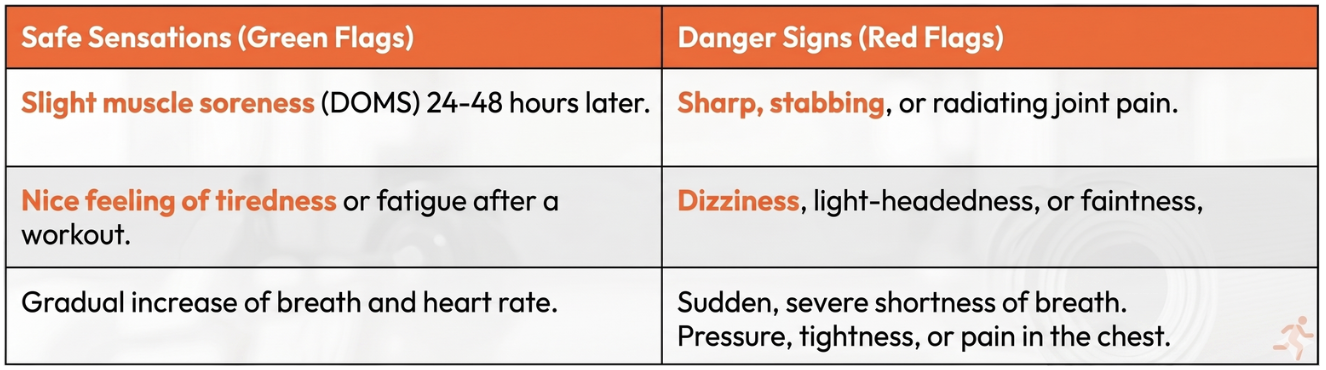
If any danger signs occur, immediately stop what you are doing and consult your physician.
How can an online personal trainer be helpful in monitoring form and preventing injury over a distance?
This question is typical and valid. With Papayya's live, one-on-one sessions, your trainer is 100% devoted to you. Rather than teaching a class, they are monitoring your every movement on screen, just like in person. They can see your form and give instantaneous verbal cueing (e.g., “Great job, now drop your hips a little lower,” or “I see your knee collapsing in, let’s correct that.”). This is what prevents injury virtually: the real-time feedback.
How can you be motivated and keep your training consistent as you age?
This is often the single biggest hurdle for our targeted individual. The answer is accountability and simplicity, not a magic pill.
What role do routine and flexibility play in compliance and results?
Habit building is the key. When you schedule your sessions for the same times every week, it becomes an essential part of your routine that can’t be negotiated. However, life doesn’t always go as planned. That is why it is so important that Papayya provides flexible scheduling to allow you to easily move a session if something comes up, so you never have to “fall off the wagon.”
But how can the Papayya virtual model increase long-term adherence for the older populations?
We increase adherence by the elimination of friction:
- No Travel Time: saves you 30 – 60 minutes per session.
- No Gym Dread: You’re in the comfort of your home.
- Total Personalization: The workout is 100% for you, so that you see results more quickly and feel more engaged.
If something is this convenient, safe, and effective, it is just something you are going to be more likely to do.
What are some common myths about seniors and personal training?
Let’s debunk some common myths that keep seniors from embarking on their fitness journey.
1. Is it true that it is too late to start strength training after the age of 60?
Myth. This is the most harmful myth of fitness. The CDC and World Health Organization both state that muscle-strengthening activities are key for all adults. You can build muscle as well as strength well into your 80s and 90s. Strength training is the only way to reverse the loss of muscle associated with aging and maintain independence.
2. Will weight training injure seniors?
Myth. People get injured from poorly executing weight training. Weight training guided by a trained professional is one of the lowest-risk options to avoid injury. It builds muscle around the joints and creates bone density, making your entire body more resilient.
3. Will at-home sessions be too confusing for seniors who struggle digitally?
Myth. Papayya is a very easy platform that provides a link to your equivalent of a friend or family member's "FaceTime" or Zoom. You get a link, click it, and there's your trainer. Our team is always on standby to help you with your first link installation, but it's easy and no stress.
Can seniors request their preferred trainer by age/gender/training expertise?
- Of course!
- You can see all of our certified trainers and read their bios to see if someone is a senior specialist or someone with a specialty that's important to you. You can search by specialty and find a fit with your goals.
It's Time To Take A Stand For Your Strength
You can move better. You can feel stronger. More confident. More energetic about life. Let us help you do it safely.

 FACEBOOK


