.svg)

.png)
.webp)
Do your knees crack on stairs? Do you feel like your shoulders are glued in place? Or, worse, every time you get up you can’t help yourself to grunt in place? Well, my friends, let me tell you that you might likely have a mobility problem. The good news is that it can all go away with some consistent but low-effort attention. With 10 minutes a day and some willingness to do it, you can increase your joint strength in no time.
The guide we’re going to present you in a minute pulls together two different but complementary voices on the matter: Mayo Clinic, with some clinical perspectives and Dr. Kelly Starrett, who has spent decades investigating and learning how to turn mobility into something that people can do everyday.
%20(1).png)
Why mobility deserves its own habit
It is usual to see people do some stretching exercises right at the end of their workouts, however, it is important to acknowledge that mobility and stretching aren’t quite the same thing.
According to the Mayo Clinic, stretching frames primarily around flexibility as it is a way to lengthen your muscles and improve the range of motion in your joints, turning daily movement and exercising feel easier. Their method is quite very practical in fact: warm up with light activity before stretching, slow and gentle movement, stretch until you feel a slight pull and, finally, hold that position for about 30 seconds.
Starrett pushes the idea a step further. Rather than treating mobility as passive stretching, he defines it as a broader question. To Dr. Kelly Starrett, being able to touch your toes means less than being able to move through a full squat and maintain yourself stable and pain-free.
Both perspectives actually agree on one thing that matters most, which is that consistency beats intensity. Their difference is noticed in their philosophy: while the Mayo Clinic says that even moderate movement can ease pain and support your joints, Starrett’s version states that mobility work is a daily effort, with lots of setbacks when not done.
10-Minute Mobility Routine
- Warm up (1–2min): March in place, do a few slow bodyweight squats, or walk around your space. A short warm-up of light walking, jogging, or biking should always come first.
- Shoulder cross-body stretch (30s each side): Bring one arm across your chest and hold it gently with the opposite arm above or below the elbow. This exercise is aimed at counteracting the hunched posture that builds up from sitting and screen time.
- Neck release (30s each side). Tilt your head forward and to one side, gently assisting with your hand. It helps to treat neck and back stiffness.
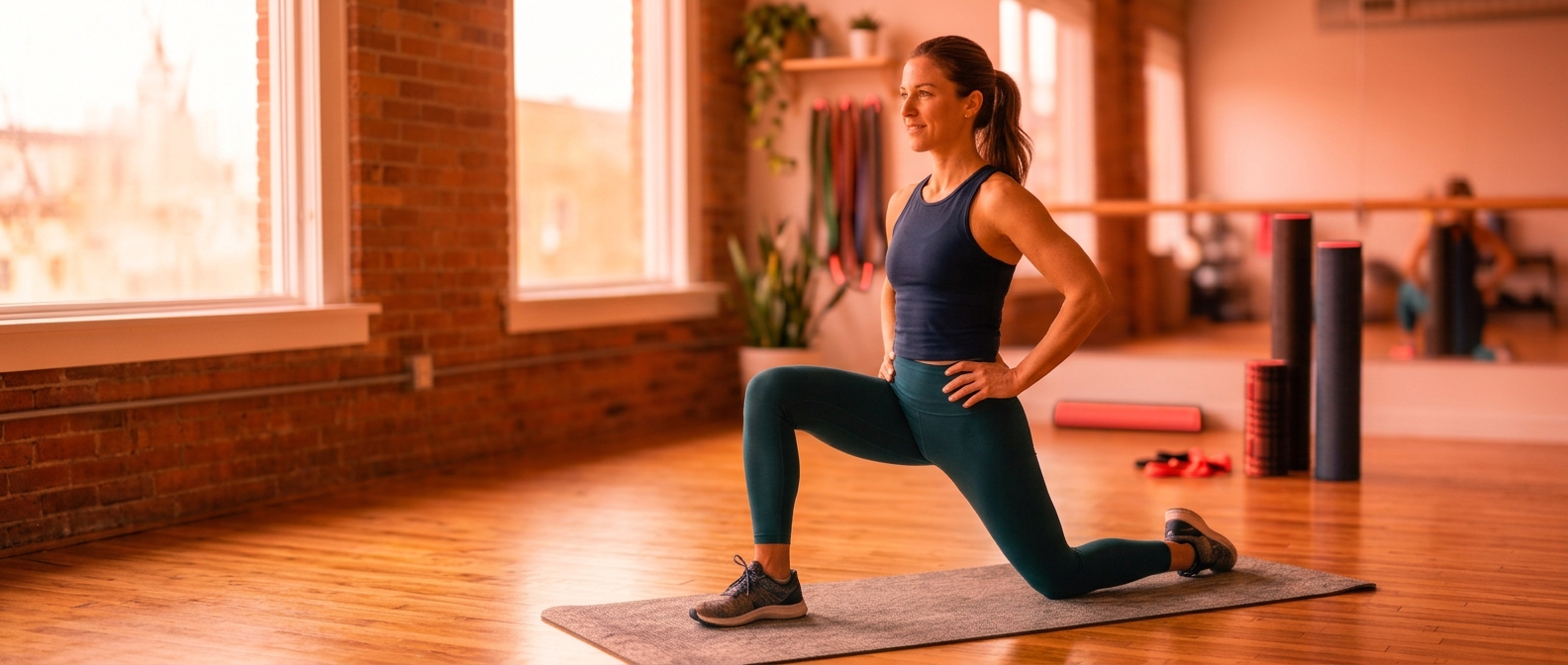
- Hip opener / lunge stretch (30–45s per side). Step one leg back into a gentle lunge, keeping the back heel down and hips facing forward. Starrett and his wife Juliet treat this kind of hip-opening position as one of the most valuable "restoration" movements a person can do, precisely because it helps restore hip and lower-back strength and function that tends to erode from long hours of sitting.
- Hamstring stretch (30s each side). Lying down with one leg raised against a wall or doorframe, gently straighten the raised leg until you feel a mild pull behind the thigh, not pain.
- Deep squat hold (30–60s total). Lower into the deepest comfortable squat you can manage, holding onto a sturdy chair or countertop if needed, heels down if possible. Starrett considers this one of the single best tests and restorers of hip, ankle, and low-back mobility.
- Cross-legged floor sit (2–3min, if comfortable). Sit on the floor with legs crossed, switching which leg is in front partway through. Starrett has spoken at length about treating floor-sitting as a daily "movement snack" that keeps hips and ankles supple in a way gym workouts alone don't actually replicate.
👉Try Papayya’s FREE 14-day trial right now!
.png)
If you need another set of eyes
One of the main concurring external factors that has been mentioned a lot in this article is maintaining consistency, however this is one of those small errors that are easy to miss on your own.
This is where Papayya comes in hand. When connecting with a live and certified personal trainer, you make yourself accountable for doing it. Several of the sessions are built around postural and movement assessments before even the workout starts.
For someone just starting a mobility practice, continuous guidance can be the difference between a routine that reinforces bad patterns and one that actually fixes them.
In Summary
In conclusion, ten minutes a day to build the joints that take the most abuse is more than enough to start reversing all those years of stiffness. The differences between the Mayo Clinic arguments and Dr. Starrett’s shows us one point in common between the two: start small, stay consistent and give your joints the same treatment you’d give anything else you expect to last.

 FACEBOOK


